Blog Posts

8.28.26
The New Normal for Public Works: AI-Assisted Prioritization Instead of Reactive Repair
For many public works departments, the workday begins with a list of complaints.
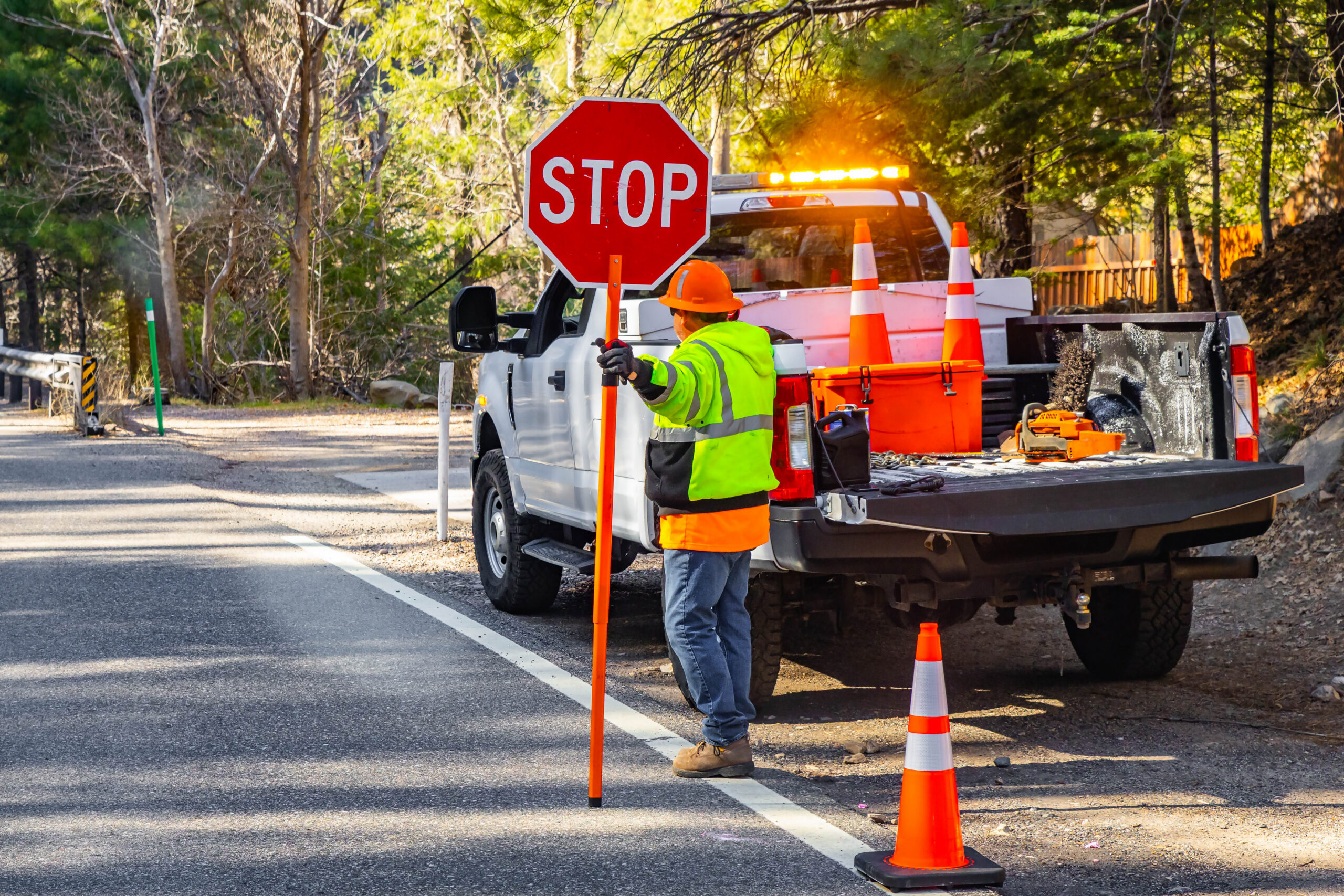
A resident reports a pothole. A damaged guardrail is discovered after a crash. A faded stop sign isn’t replaced until someone notices it. Too often, infrastructure problems are addressed only after they become visible or disruptive.
The challenge isn’t a lack of effort. It’s a lack of visibility.
Cities are responsible for maintaining thousands of miles of roads and countless roadside assets with limited budgets and staffing. Regular inspections are time consuming, and priorities often shift based on resident complaints instead of a comprehensive view of network conditions.
Artificial intelligence is beginning to change that.
Rather than relying solely on periodic inspections or service requests, municipalities are using AI-powered platforms to continuously monitor roadway conditions and identify issues before they become larger, more expensive problems.
Historically, maintenance priorities have often followed the “squeaky wheel.” Assets in highly visible areas or neighborhoods with the most complaints frequently receive attention first, while less visible issues continue to deteriorate.
Platforms such as Mitsubishi Electric Automotive America Inc.’s Urban Hawk™ provide a broader view of roadway conditions.
Originally developed using machine learning and computer vision technologies for automotive applications, the platform analyzes roadway imagery collected during routine driving to identify infrastructure issues such as pavement deterioration, damaged guardrails, missing or obstructed signs and other roadway hazards.
The information is then displayed within a Geographic Information System (GIS)-based digital twin, giving public works teams a visual representation of roadway conditions across their entire network.
Instead of sorting through large amounts of raw data, staff receive actionable information that can help determine where maintenance resources are needed most.
Not every infrastructure issue requires the same response.
A small pavement crack may be appropriate for future maintenance planning, while a missing stop sign or severe pothole may require immediate attention.
AI can help distinguish between routine maintenance and higher-priority safety concerns, allowing municipalities to focus crews on where they can have the greatest impact. In many cases, identified issues can also be routed directly into existing asset management or work order systems, reducing manual data entry and helping accelerate response times.
Roadway maintenance often involves multiple departments, including public works, traffic engineering and utilities. Each may collect and manage its own data, making it difficult to maintain a consistent picture of infrastructure conditions.
A centralized digital twin helps create a shared operating picture. With access to the same roadway data, departments can better coordinate projects, reduce duplicate inspections and improve planning.
One of AI’s biggest advantages may be its ability to monitor infrastructure over time.
Rather than documenting only current conditions, continuous data collection allows municipalities to track how assets are changing and identify trends before failures occur.
That information can support more informed capital planning by helping agencies determine when preventive maintenance is likely to be more cost effective than major repairs or replacement.
Historical roadway imagery can also provide an objective record of infrastructure conditions.
For municipalities managing insurance claims, maintenance documentation or right-of-way compliance, having time-stamped records of roadway assets can help demonstrate when conditions were identified and when corrective action was taken.
Adopting AI doesn’t require municipalities to replace the systems they already use.
Many modern platforms are designed to integrate with existing GIS, asset management and work order software, allowing agencies to incorporate AI-generated insights into established workflows.
As infrastructure continues to age and budgets remain constrained, public works departments are under increasing pressure to do more with the resources they have.
AI won’t replace engineering judgment or field experience. It can, however, provide better information, improve prioritization and help municipalities move beyond reactive maintenance toward a more proactive approach to managing public infrastructure.


Subscribe for the Latest
Subscribe for the Latest
Recent Blog Posts